Do You Need a Permit for Concrete Work in Bradenton?
Not every slab triggers a permit. The deciding factor is whether the concrete is structural, whether it touches the public right of way, and which office has authority over your address.
The Footer Rule That Decides Most Projects
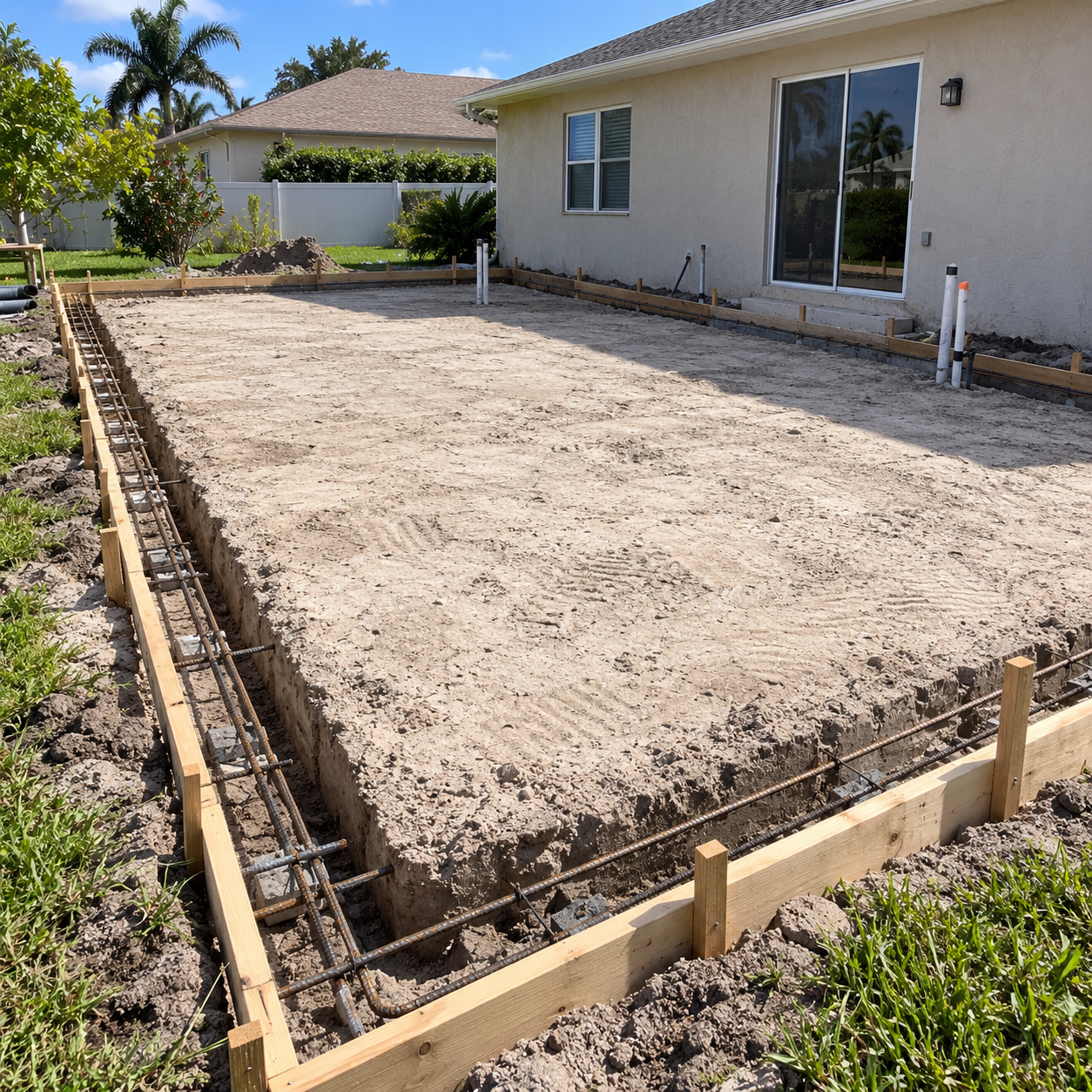
Manatee County draws a clear line between flatwork and structural concrete. A plain patio on grade is treated differently than a slab built to carry a structure.
- A concrete slab with footers requires a permit
- A non-structural concrete or paver patio is generally exempt
- Any slab meant to support a roof, wall, or enclosure needs a permit
- Footers added inside a driveway or patio move the job into a different permit category
That last point catches people. A
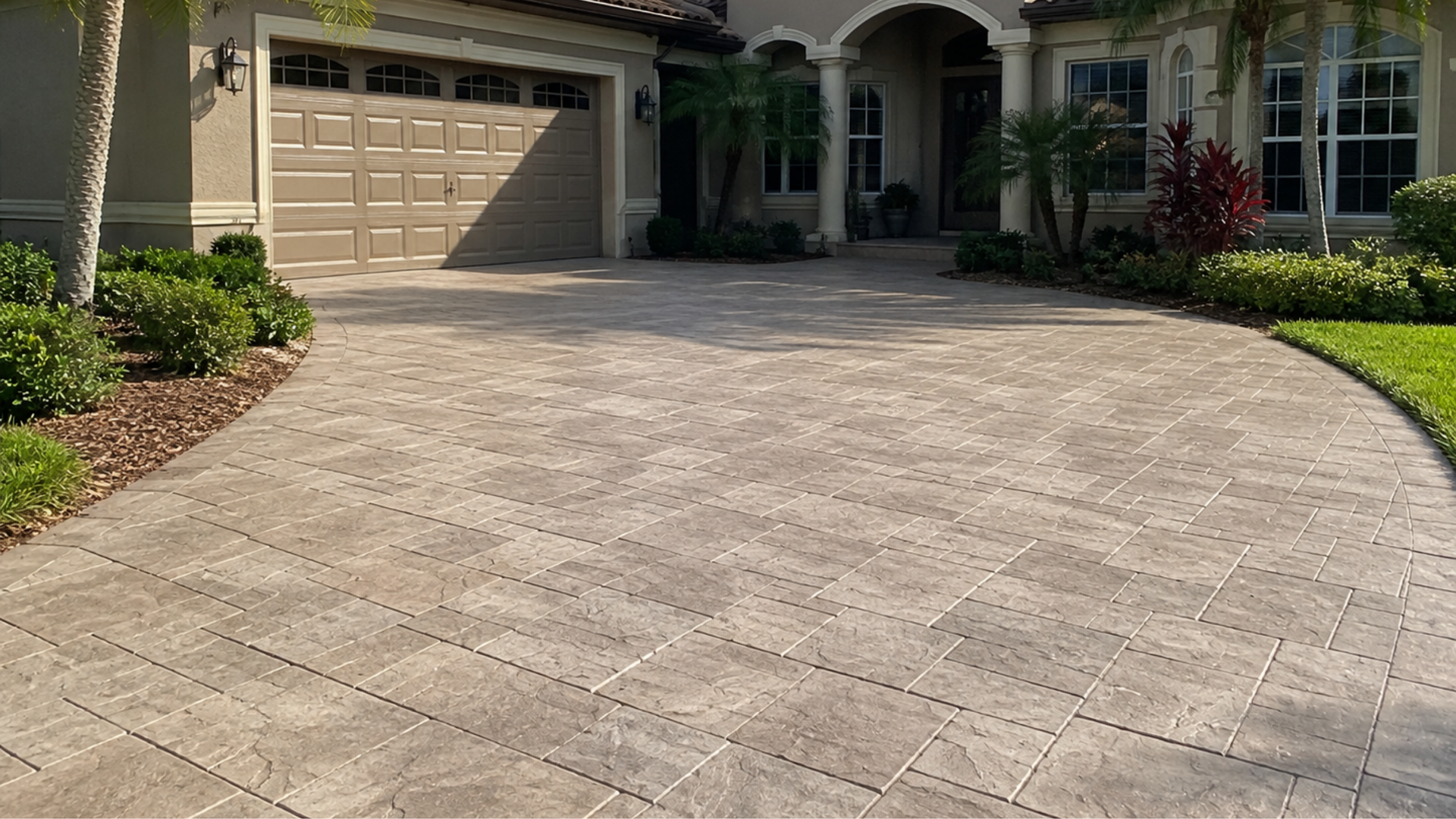
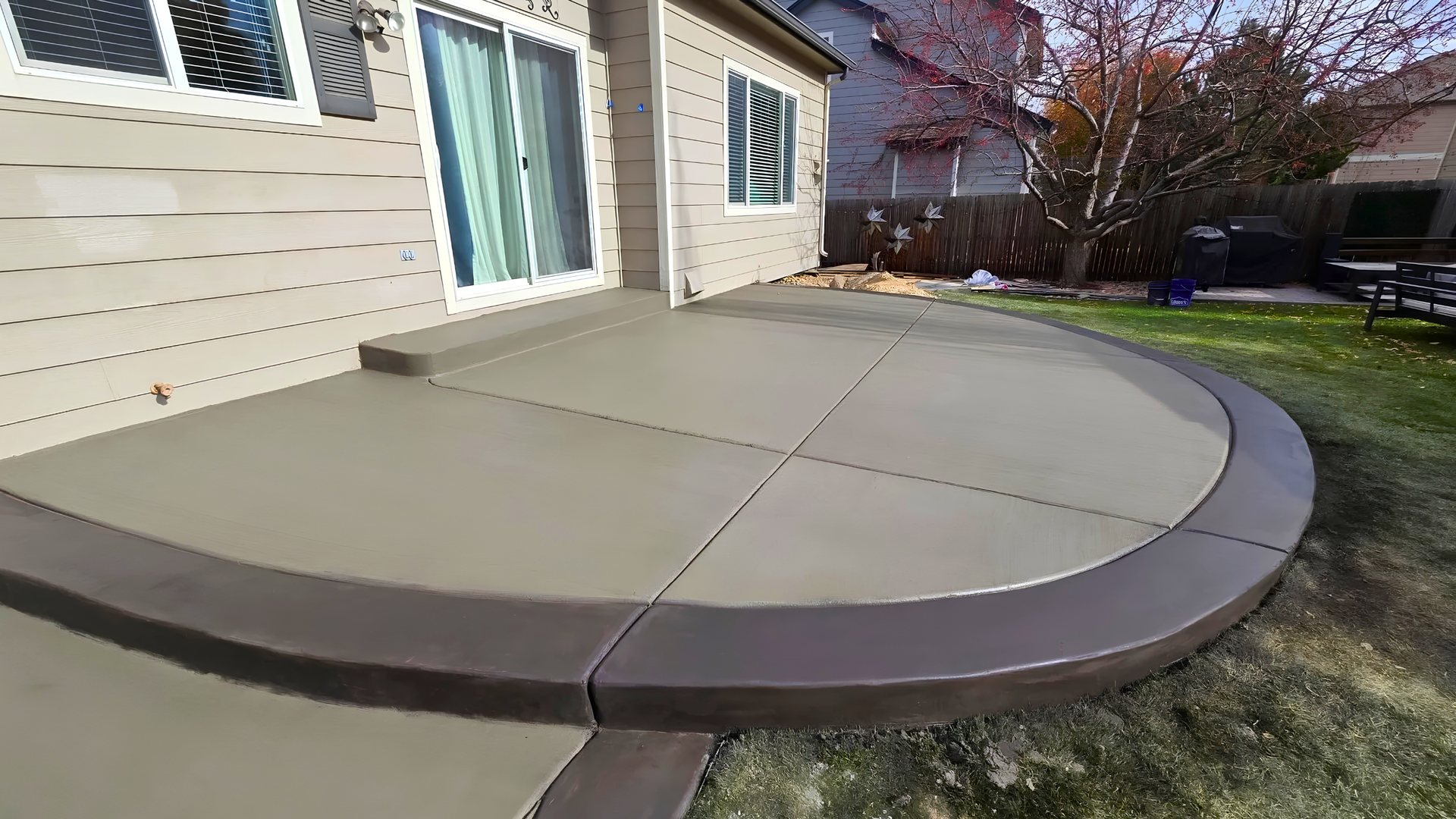
concrete patio installation stays exempt right up until someone adds a footing for a pergola or outdoor kitchen.
City of Bradenton or Manatee County: Who Issues Your Permit
Your mailing address says "Bradenton" either way, which is exactly why so many homeowners get confused. Postal addresses are assigned by the U.S. Postal Service for mail delivery, but building permits are issued based on legal parcel boundaries. Even if your address reads Bradenton, your property may fall under unincorporated Manatee County jurisdiction.
If Your Address Is Inside City Limits
The City of Bradenton runs driveway and patio work as a non-structural permit type. You can
review the City of Bradenton driveway and patio permit requirements
before applying. Published fees include:
- Driveway zoning fee of $80.00
- Subcontractor fee of $100.00 each
- DBPR surcharge of 1.5 percent, $2.00 minimum
- DCA surcharge of 1 percent, $2.00 minimum
- Review routing through both Zoning and Public Works
The city also notes that an owner-builder affidavit and a notice of commencement are not required here. That keeps the paperwork lighter than a structural job.
If You Are in Unincorporated Manatee County
County work goes through Manatee County Development Services. Applications are submitted online through the Accela portal rather than in person:
- Permits are valid for 180 days from issuance
- Inspections keep the permit active, so do not let it sit
- Driveway and culvert work in a county right of way routes through Public Works
- Questions go to Building and Development Services at 941-748-4501, extension 6893
You can
download Manatee County's permit instructions, forms, and fee schedules directly from the county site. Pull the current fee schedule before you budget, since published amounts change.
If Your Driveway Meets a State Road
Properties fronting a state road add a third layer. The City of Bradenton directs those applicants to pull a Florida Department of Transportation permit as well. Build extra time in if your home sits on a state-maintained route.
What the Concrete Permit Application Needs
Most concrete permit delays come from missing paperwork, not from the review itself. Having documents ready on day one is the difference between days and weeks.
Documents Required on Nearly Every Application
Both jurisdictions start from the same short list. Expect to provide these, whichever office handles your project:
- A site plan or boundary survey showing the work
- Building plans with dimensions and materials
- Contractor license and insurance information
- Estimated job value
Documents That May Be Requested
Depending on the property, reviewers may ask for more. These come up often enough to plan for:
- A recorded warranty deed if ownership recently changed
- A recorded driveway affidavit
- An impervious surface calculations worksheet
- Drainage details showing how water leaves the site
The impervious calculation is the one homeowners rarely expect. Widening a driveway adds hard surface, and that changes how stormwater moves across your lot.
Why concrete Contractor Licensing Matters Here
Manatee County does not reciprocate registered contractor licenses from other counties. A contractor must be current and active with the county before pulling a permit, and the county issues its own specialty licenses for concrete work.
What to Verify Before You Sign
A contractor who cannot pull a permit will ask you to do it as an owner-builder. That shifts code liability onto you. Confirm each of these first:
- The contractor holds an active, registered license in this county
- The permit will be pulled in the contractor's name, not yours
- Permit coordination is written into the contract
- Inspection scheduling is their responsibility
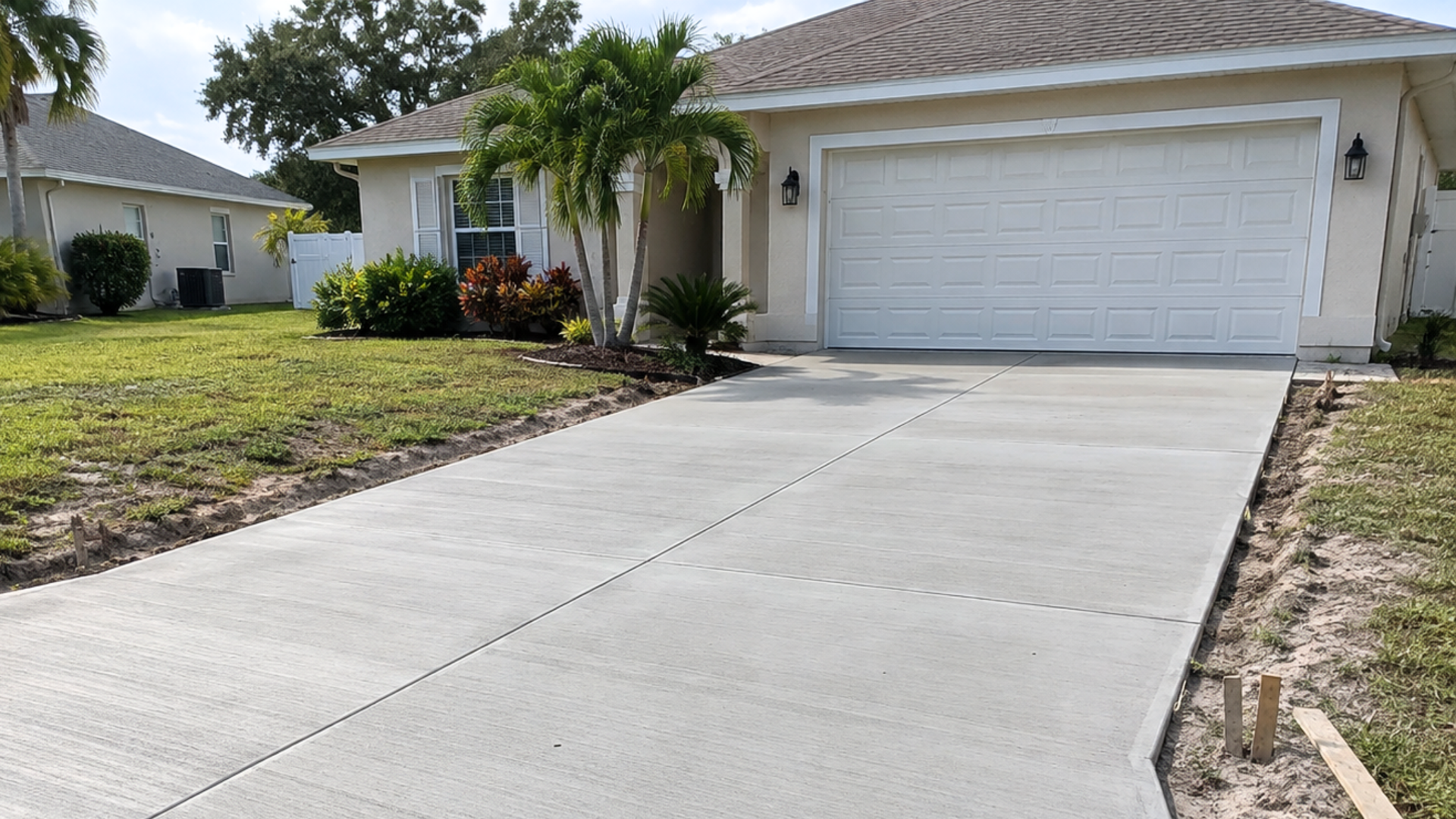
Ask how permitting will be handled before work is scheduled, and get the answer in writing. If you are weighing a driveway project, our
concrete driveway installation page walks through how a job is scoped from the first site visit.
What Happens If You Skip the Permit
Some homeowners gamble on a quiet backyard pour. It usually surfaces, and the costs stack up:
- Stop-work orders that stall the project mid-pour
- Fines and after-the-fact permit fees above the original cost
- Orders to remove or rebuild finished concrete
- Failed inspections and delays when you sell the home
Frequently Asked Questions
Who pulls the permit, me or my contractor?
A licensed contractor should pull it in their own name. If a contractor asks you to pull it as an owner-builder, that usually means they are not registered locally, and it puts the code liability on you.
Does my HOA approval replace a permit?
No. Architectural approval from a community in Lakewood Ranch or Parrish covers appearance and deed restrictions only. You still need the government permit, and you may need both.
Can I resurface or repair concrete without a permit?
Routine maintenance and cosmetic resurfacing generally do not require one. Replacing a slab, adding square footage, or changing drainage does.
Planning a Concrete Project in Bradenton?
Permitting is easier to sort out before a pour is scheduled than after. Paradise Concrete works with homeowners across Bradenton, Sarasota, and nearby communities, and we are happy to talk through what your project involves. Call
(813) 610-7646 for a free estimate.
REQUEST A FREE ESTIMATE
CALL US NOW